Your House Isn’t Worth What Your Neighbour Sold For
Every seller knows someone who “got an amazing price.”
A neighbour.
A cousin.
A friend of a friend.
And almost immediately, the comparisons start:
“If their house sold for that amount, mine should sell for more.”
But real estate isn’t driven by assumptions, emotions, or dinner-table stories. It’s shaped by timing, condition, buyer demand, presentation, pricing strategy, and something many underestimate — perception.
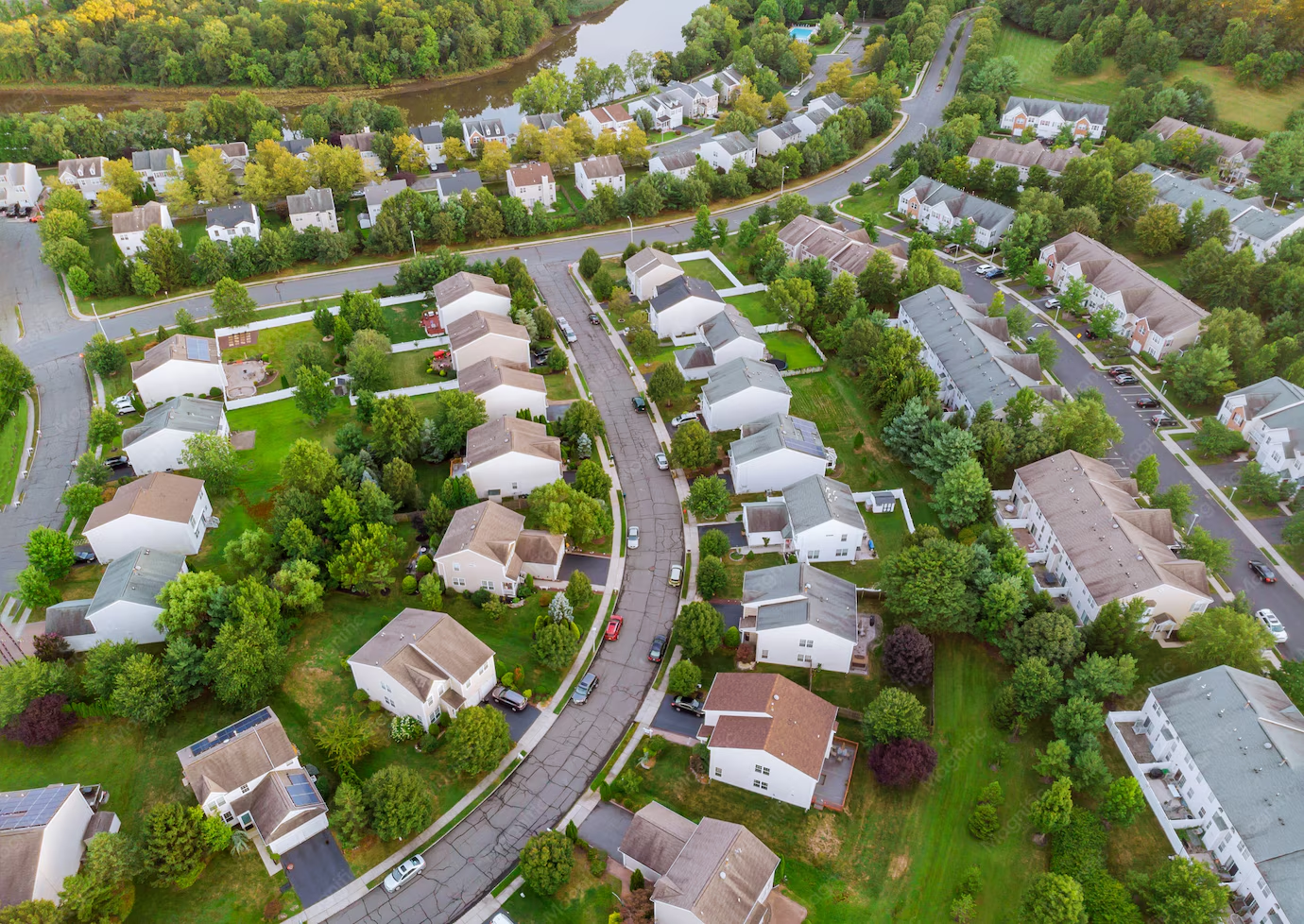
Two houses on the same street can sell for completely different prices. Why? Because buyers compare everything — not just bedrooms and bathrooms, but light, maintenance, flow, smell, parking, noise, gardens, modern finishes, and even the feeling they get when they walk through the front door.
Here’s the hard truth: some sellers unknowingly price their homes based on what they need financially, not what the market will pay. Overpricing rarely works — in fact, it often backfires. A home listed too high can sit for too long, raising suspicion. Interest fades, price cuts follow, and it may ultimately sell for less than it could have with the right strategy from the start.
The first few weeks on the market are critical. That’s when your listing is fresh, buyers are paying attention, and momentum matters. “Testing the market” doesn’t change how buyers behave. Today’s buyers are savvy — they compare properties online in seconds, recognize value quickly, and sometimes know before they even schedule a viewing.
Accurate pricing isn’t about lowering value — it’s about positioning the property so buyers compete instead of hesitate. A strong strategy relies on local knowledge, honest conversations, market insight, and a clear understanding of buyer behaviour in real time.